Bedding & textile guide
Coyuchi Throws Compared: Knit, Woven, and Chenille Textures
A throw can be the finishing touch on a bed, the layer you reach for during a cool evening, or the detail that makes a reading chair feel inviting. But its construction matters as much as its color. Knit, woven, and chenille throws each create a different surface, drape, and everyday experience—and knowing the difference makes it easier to choose a layer that suits your home.
Published October 22, 2026
Why construction changes the feel of a throw
At a glance, many throws seem to promise the same things: softness, warmth, and an easy way to add texture to a room. In practice, the way yarns are joined determines how a throw moves, how its surface feels against the skin, and how it behaves when folded or draped. A knitted fabric is formed from interlocking loops. A woven fabric is made by crossing yarns over and under one another. Chenille describes a plush, velvety yarn or surface effect that can be used in a woven construction.
Those distinctions are useful when comparing organic cotton throws. Two pieces made with the same fiber can feel noticeably different because one is knitted, another woven, and another made with chenille yarn. Fiber content tells you what the material is; construction helps explain what the finished textile feels like and how it may work in a room.
There is no universal winner. A relaxed knit may be the most appealing choice for flexible layering, while a woven throw can offer a more defined surface and a composed drape. Chenille tends to make texture the star, with a plush hand that feels especially cozy. The best option depends on where the throw will live, how often you expect to use it, and what kind of tactile detail you enjoy.
Knit throws: flexible, breathable, and easy to layer
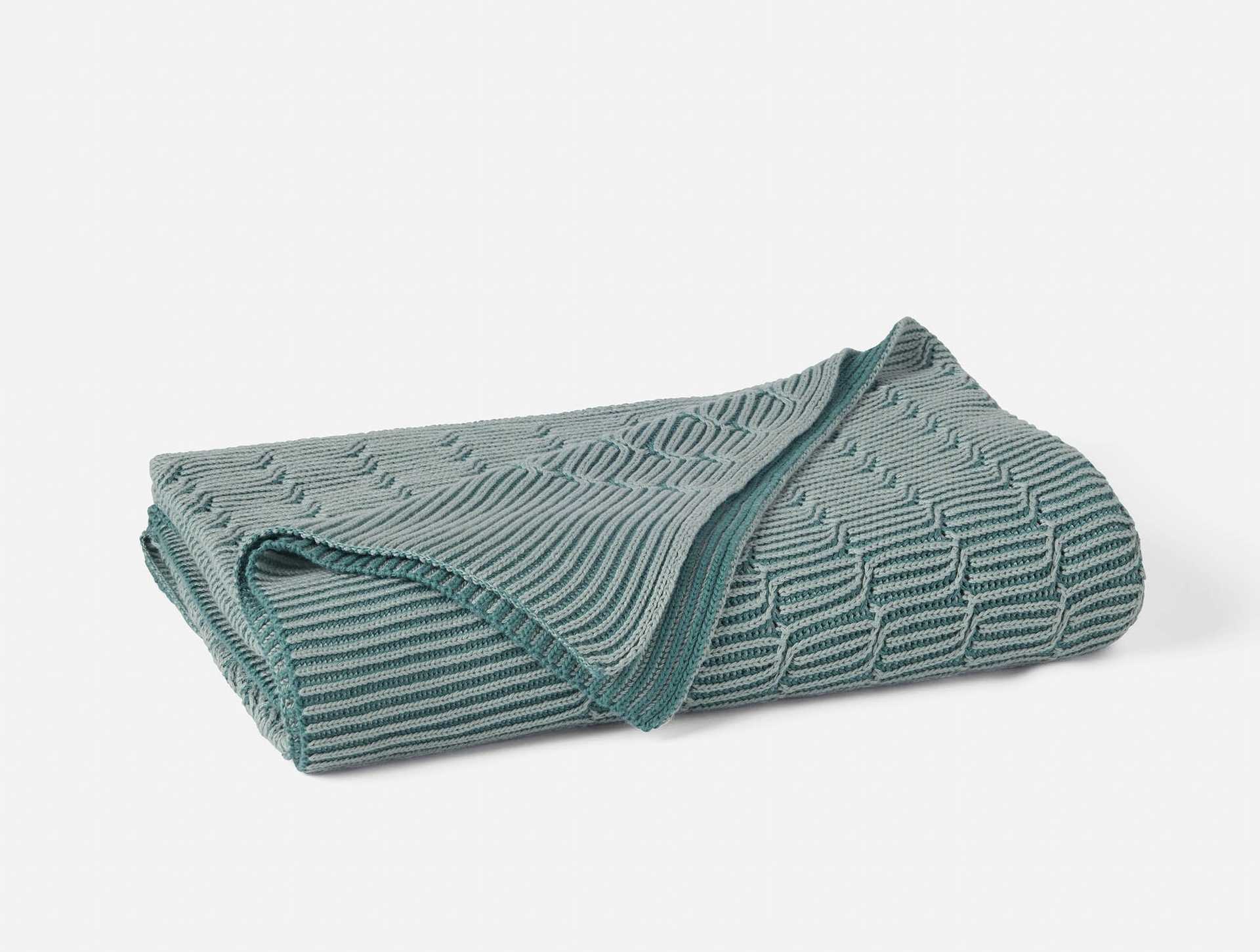
Knit throws are built from loops of yarn, giving the fabric a natural flexibility. That looped structure often creates a softer, more yielding drape than a firm, closely woven surface. On a sofa, a knit can fall casually over an arm or back; at the foot of a bed, it can add a comfortable layer without looking overly formal. The fabric’s movement is part of its charm.
Organic cotton knit throws can be appealing across seasons because cotton is a familiar, breathable fiber and the open or flexible structure can feel less dense than a heavy blanket. That does not mean every knit is airy or lightweight—stitch pattern, yarn size, and fabric weight all make a difference. Still, a knit is often a natural choice when you want a layer that feels relaxed and adapts easily to different uses.
The Ivy Organic Knit Throw is one example of a Coyuchi knit style. It is made from 100% organic cotton and has a reversible, subtly tonal design. A five-inch hem finishes the top and bottom, while the knit construction gives the throw a flexible drape. Its listed dimensions are 50 by 70 inches, a versatile size for placing across a chair, folding at the end of a bed, or keeping close at hand on a sofa. The throw is GOTS certified and made in a Fair Trade Certified factory, according to its product details.
For care, the Ivy throw is listed as machine washable in cold water on a gentle cycle with like colors, with tumble drying on low. Following the label is important: cotton can respond to heat and agitation, and gentle care helps preserve the shape and surface of a knitted textile. When washing, avoid packing the machine too tightly so the throw has room to move. Remove it promptly after drying, and reshape it if needed.
A knit may suit you if you like a soft, flexible layer that can be repositioned throughout the day. It is also a good candidate for casual rooms where a little natural-looking texture feels welcome. If you prefer a crisp, tightly structured finish, however, a woven throw may better match your taste. And if your priority is a distinctly plush surface, chenille may be the texture you are seeking.
Woven throws: surface detail with a more defined hand
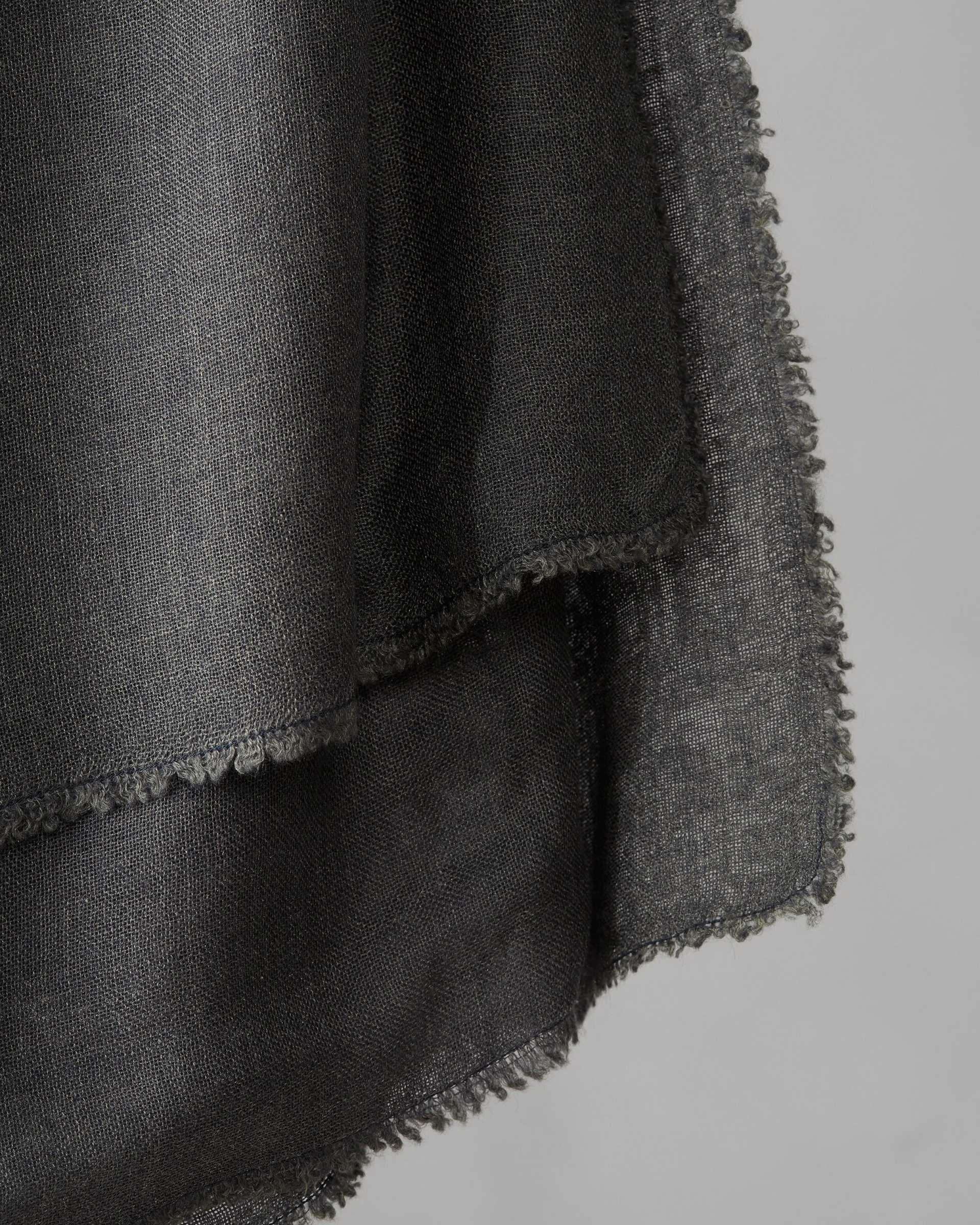
Woven throws are created by interlacing two sets of yarns, typically described as the warp and the weft. The exact weave can be simple or elaborate, but the crossing structure gives the fabric a distinct character. Depending on yarn and weave, a woven throw may feel smooth, textured, firm, or soft. It may hold a cleaner outline when folded than a loose knit, and its surface pattern can bring visual interest without relying on a raised stitch.
That structure makes woven styles especially useful when you want a throw to serve both as a practical layer and as a considered accent. A woven blanket can lie neatly across a bed or sofa, adding a band of texture and color. Some weaves feel light and fluid, while denser constructions may feel more substantial. The word “woven” alone does not tell you how warm a particular piece will be; fiber, yarn thickness, density, and finish all contribute.
Woven throws can also show pattern in different ways. A change in yarn color may create stripes or a subtle tonal effect, while variations in the weave itself can produce texture you can see and feel. This is one reason a woven surface may look especially polished in a room with smooth upholstery or simple bedding: the textile can add dimension while keeping its overall shape composed.
When comparing a woven throw with a knit, consider how you want it to sit. If you picture a layer folded into a clean rectangle or spread across a bed as a decorative accent, a woven structure may be appealing. If you want something that drapes freely around your shoulders or gathers softly over a chair, a flexible knit may feel more natural. These are tendencies rather than rules; individual designs vary, so product details and care instructions are worth checking before you decide.
Woven cotton throws may be a practical choice for homes where the textile will see regular use, but maintenance depends on the particular fabric and finish. Check whether the maker recommends machine washing, dry cleaning, or another method. Do not assume that a cotton throw is automatically suitable for every wash cycle: a delicate weave, decorative edge, or special finish can call for more careful handling.
Chenille throws: plush texture in the foreground
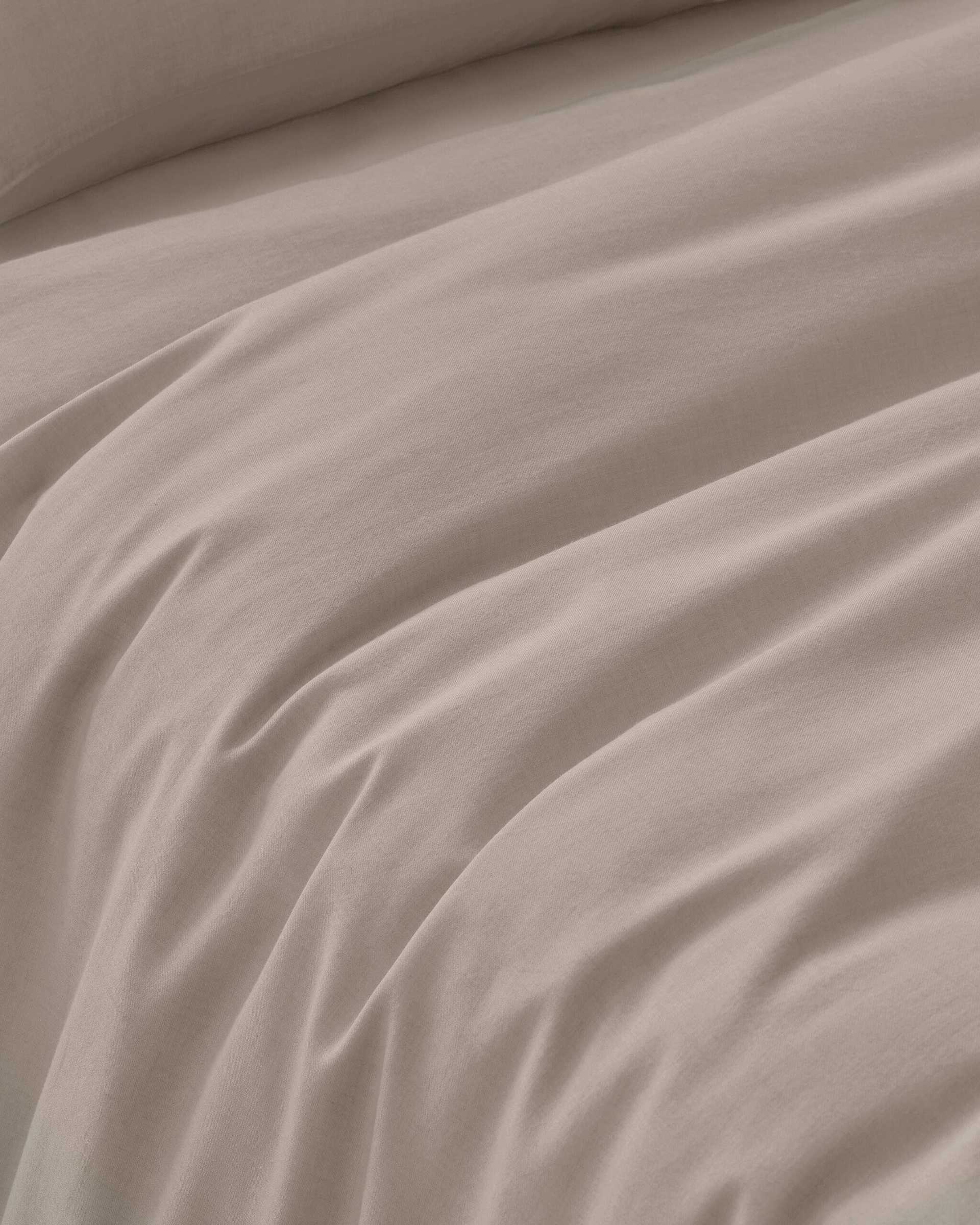
Chenille is often recognized by its soft, fuzzy surface. The name refers to a type of yarn with a distinctive pile, which creates a velvety feel and gives the fabric visual depth. In a throw, chenille can make even a simple color look richer because the raised fibers catch light differently across the surface. It is a tactile choice: the texture is part of the design, not merely a background detail.
Organic cotton chenille throws offer a plush alternative to a smoother woven surface. Product descriptions for this kind of cotton throw may highlight a gently puckered finish, a soft reverse, or a blanket-stitch edge. Those details influence the overall impression, from the way the throw feels in your hands to how it frames a bed or sofa. A chenille surface can look inviting without requiring a bold pattern or complicated color palette.
Chenille is often associated with cozy comfort, but “plush” does not necessarily mean heavy. A throw’s warmth depends on the fiber, yarn, and construction, so it is wise to look at the full product information rather than judging by texture alone. A lighter chenille layer may be useful for everyday lounging, while a heavier textile may provide more insulation. In either case, the raised surface tends to create a more pronounced tactile effect than many smooth fabrics.
Care deserves particular attention. Raised yarns can be more vulnerable to abrasion or rough handling than a plain, sturdy surface. For a machine-washable cotton chenille throw, the instructions may call for cold water, a gentle cycle, like colors, and low-temperature drying. Use the specific label for the item rather than treating those directions as universal. Prompt removal from the dryer and careful folding can help keep the fabric looking tidy.
Choose chenille when you want softness and surface character to be immediately noticeable. It can work beautifully as a comforting layer on a favorite chair or as a tactile contrast against smooth bedding. If you prefer a more understated texture, a fine knit or a woven throw with a subtle pattern may be a better fit.
Knit vs. woven vs. chenille: what changes day to day?
The differences become clearest in everyday use. A knit is often the most forgiving when you want to bunch, fold, or casually drape a throw. A woven style can offer a more tailored appearance and a surface that shows the logic of its pattern. Chenille tends to emphasize touch, bringing a soft pile and rich-looking texture into the room. These categories overlap: a throw can be woven from chenille yarn, for example, so construction and yarn type are not always mutually exclusive.
It also helps to think about how much visual texture your room already has. A cable-like or openwork knit can introduce a pronounced pattern. A woven throw might offer a quieter grid, stripe, or tonal texture. Chenille can make a solid color feel dimensional through its pile. If your bedding already features an intricate print, a simpler surface may create balance. In a pared-back room, a more expressive stitch or plush finish can provide interest without adding another pattern.
Warmth and breathability are not determined by texture alone. A lightweight knit may feel comfortable as a casual layer, but a dense weave can be warmer than a loose knit. Chenille’s plush hand may feel cozy, yet thickness and fiber content still matter. Consider the room temperature, the season, and whether you tend to feel warm or cool. A throw is useful precisely because it can add an adjustable layer; choosing the right weight is more practical than relying on a construction label as a shortcut.
Drape matters, too. A soft knit often settles into folds, while a firmer woven fabric may hold a more defined outline. Chenille can look full and inviting, particularly when arranged loosely rather than sharply creased. If possible, imagine the throw in its intended spot: spread over a bed, folded on a bench, or draped over the arm of a sofa. A 50-by-70-inch throw, such as the Ivy Organic Knit Throw, is a familiar versatile format, but the right dimensions depend on how you plan to use it.
How to choose a throw for a bed or living space
- Start with the setting. For a bed, decide whether the throw is mainly decorative or intended as an extra layer. For a sofa or chair, consider whether you want it within easy reach for warmth.
- Think about the feel you prefer. Choose knit for flexible softness, woven for a more defined surface, or chenille for a plush, touchable finish.
- Check the dimensions. A compact throw can suit a chair, while a larger size may provide more coverage across a bed or over the shoulders.
- Read the fiber and construction details. Organic cotton, alpaca, wool, and blends each have different characteristics. Construction and weight further shape the result.
- Match the care to your routine. A machine-washable throw may be convenient for frequent use. If an item requires dry cleaning or special handling, make sure that maintenance works for your household.
- Consider the room as a whole. A tonal knit, patterned weave, or plush chenille surface can each contribute texture. Choose one that complements the bedding, upholstery, and other layers already in the space.
These questions keep the decision grounded in use rather than appearance alone. A beautiful throw that is difficult to care for may not be the most practical everyday choice. On the other hand, a piece reserved for a guest room or a carefully styled bed may justify more specialized maintenance if its look and feel are exactly right.
Organic cotton and responsible textile details
When a throw is described as organic cotton, look for clear information about fiber content and relevant certification. The Ivy Organic Knit Throw is listed as 100% organic cotton and GOTS certified; its details also state that it is made in a Fair Trade Certified factory. Certifications can help communicate specific standards and production commitments, but they do not tell you everything about a textile’s feel, durability, or care needs. Those practical details still deserve a close read.
It is helpful to separate the questions. Fiber content tells you what the throw is made from. Construction indicates how the yarns are assembled. Certifications speak to particular standards in the supply chain or production process. Care instructions show how the finished item should be maintained. Taken together, these details give a clearer picture than a single label or marketing phrase.
For cotton bedding and throws, longevity is also part of responsible use. Gentle washing, avoiding unnecessary heat, and storing textiles clean and dry can help them remain in service. Rotate throws if you use several around the home, and follow the care label when dealing with stains. Simple habits may reduce wear and help preserve the texture that made the piece appealing in the first place.
A simple care routine for keeping throws in good shape
Before washing any throw, check its care label. The right method can differ even among pieces made from the same fiber, because dyes, yarn structure, finishing, and edge details all matter. If machine washing is permitted, use the recommended water temperature and cycle. Gentle settings reduce unnecessary agitation, while washing like colors together can help limit color transfer.
Drying is just as important. High heat can be hard on natural fibers and may affect a throw’s dimensions or surface. Follow the stated drying instructions, and remove the textile promptly if the label recommends it. If you are unsure how a fabric will respond, avoid improvising with a hotter setting. For a throw that calls for dry cleaning, professional care is the safer choice.
Between washes, shake out and refold the throw occasionally to keep it fresh and evenly used. Store it in a clean, dry place when it is not needed. Avoid hanging a heavy knit for long periods if doing so could stretch its shape; folding is often a sensible option. With chenille or other raised surfaces, keep rough fasteners and abrasive objects from snagging the yarn.
The bottom line: choose the texture you will reach for
Comparing Coyuchi throws by construction is a practical way to narrow the field. Knit styles offer flexibility and an easy, relaxed drape. Woven designs bring a more defined structure and can make pattern or surface detail stand out. Chenille adds plushness and a soft, dimensional finish. Each can make a bed or living area feel more layered; the distinction is how each one looks, feels, and fits into daily life.
If you want an organic cotton knit with a reversible design and straightforward machine-wash care, the Ivy Organic Knit Throw is a concrete example to consider. If your attention is drawn to a richer, velvety surface, explore chenille construction and check its specific washing guidance. For a cleaner, more structured look, compare woven options by their weight, weave, and finish rather than assuming that all woven throws behave the same way.
Ultimately, the best throw is the one that feels right where you plan to use it. Think about the texture you enjoy, the warmth you need, and the care you are comfortable giving it. Once those basics are clear, choosing among knit, woven, and chenille becomes less about a trend and more about finding a useful, welcoming layer for your home.
At a glance
- Knit: flexible construction, soft drape, and a relaxed look suited to everyday layering.
- Woven: interlaced yarns create a more defined surface, with feel and warmth depending on the weave and weight.
- Chenille: a plush yarn or surface effect that gives a throw a velvety, tactile character.
- Before buying: compare dimensions, fiber content, construction, certifications, and care instructions.