A buyer-focused primer that demystifies cashmere quality indicators—from fiber length and micron count to finishing and ethical sourcing. This guide helps shoppers tell premium cashmere apart from blends and make informed decisions that balance comfort, longevity, and responsibility.
Cashmere has long carried an aura of softness and warmth, elevating everyday wear and home textiles to luxury experiences. But behind the plush handfeel lies a spectrum of variables—fiber geometry, fiber diameter, finishing processes, and even sourcing ethics—that determine how a cashmere product behaves over time. As a shopper, developing a grounded sense of quality helps you distinguish truly premium pieces from blends that mimic cashmere at a glance.
This guide synthesizes practical indicators you can observe or verify before you buy: fiber length, micron count (the thickness of the fiber), the proportion of cashmere in a fabric or knit, how well a product holds its shape, and the transparency of its supply chain. It also offers quick strategies for reading care labels, evaluating blends, and recognizing ethical certifications that reflect responsible production.
The fiber length and micron count are the foundational indicators of cashmere’s softness, drape, and durability.
Fiber length refers to how long the cashmere fibers are from tip to root. Longer fibers tend to create fabrics with fewer pills and better resilience because the fibers align more cleanly and resist breakage during wear and washing. Shorter fibers, by contrast, can lead to a rougher hand and more shedding over time.
Micron count measures thickness. Premium cashmere is typically in the 14 to 16 micron range. The lower the micron count, the softer and finer the fabric feels against the skin. You’ll notice a meaningful difference in comfort when you compare a higher-micron cashmere against a mid- or lower-grade offering.
In practical terms, you can look for products that emphasize fiber length and micron count in its product description or certifications. A reputable supplier may provide fiber analysis data or a clear statement about sourcing and processing standards. When you can’t access this data, consider the overall feel, the fabric’s weight, and how well it holds its shape after a few wears.
Not all cashmere is 100% cashmere. Many garments and blankets incorporate blends with merino wool, silk, cotton, or synthetic fibers to adjust price, warmth, and durability. Understanding blends helps you gauge the expected hand feel, warmth, and care requirements.
A higher percentage of cashmere typically signals a softer, more luxurious touch, but blends can still deliver exceptional comfort when the blend is thoughtfully chosen. Pay attention to the overall weight (grams per square meter, if stated) and whether the fabric is a knit, weave, or a brushed finish. Each construction has a distinct feel and behavior over time.
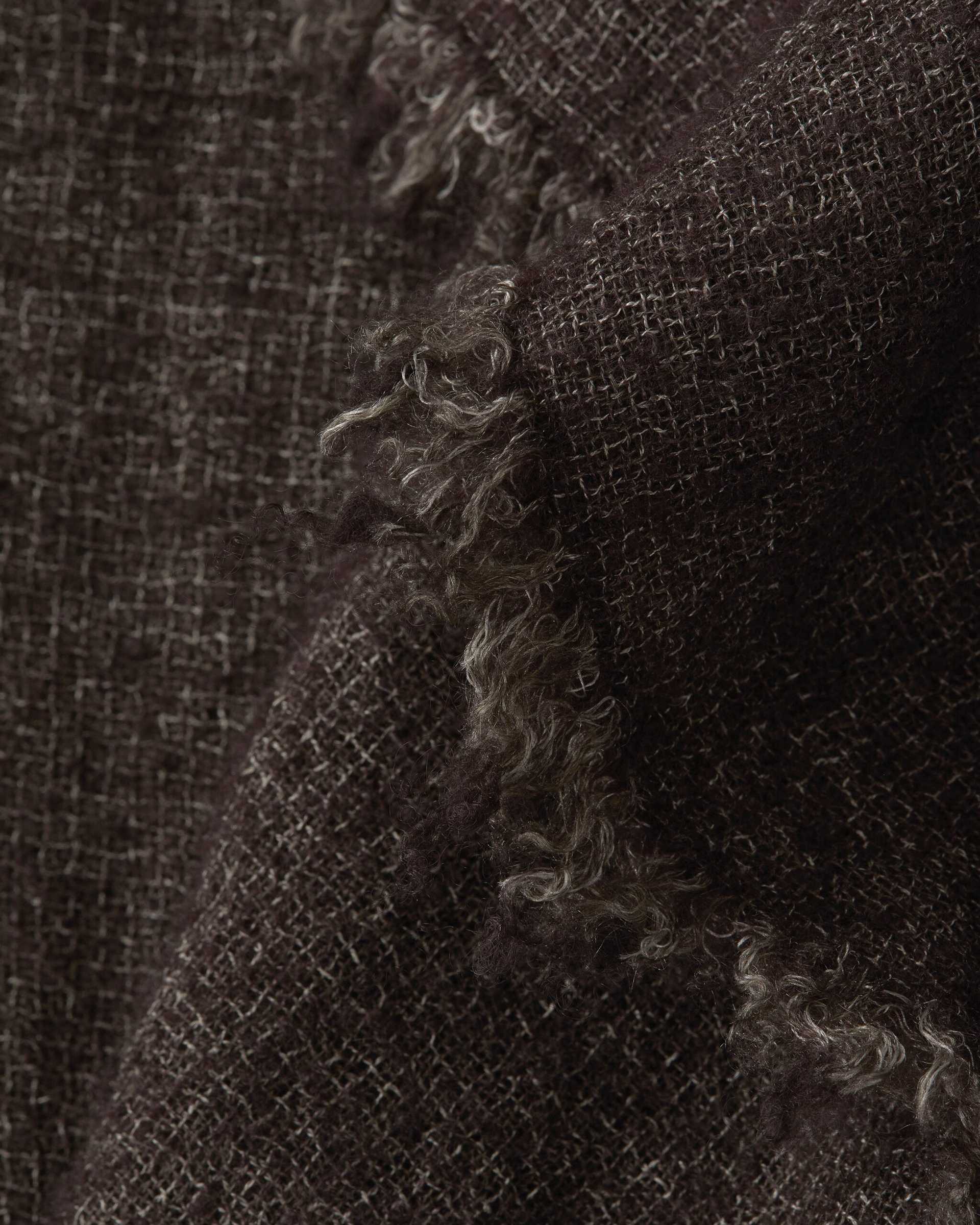
Finishing processes also influence your experience. For instance, brushing can enhance softness and create a fluffy surface, while tight weaves or knits knit for structure may feel crisper and more resistant to pilling. Labels often indicate “dry clean only” or “hand wash cold,” which reflects fiber integrity and the care needed to preserve texture and color.
Care labels are more than maintenance instructions; they are windows into how a brand expects the garment or textile to behave across seasons. A well-constructed cashmere piece will typically come with guidance that prioritizes preserving fiber integrity and color through proper cleaning and storage.
Look for instructions that align with gentle handling: cool or lukewarm water, mild detergents designed for delicate fabrics, and avoidance of heavy agitation. Drying flat helps the fabric maintain its shape, and storage after use should minimize exposure to moths and abrasion.
If a label offers machine washing, ensure it specifies a delicate cycle and low heat. Even when machine washing is allowed, consider performing a spot test on a small area first and using a wash bag to protect delicate fibers. Remember: following care instructions is a practical investment in longevity.
In today’s market, ethical considerations are increasingly part of perceived quality. Ethical sourcing might involve traceability, transparent supply chains, and certifications that attest to responsible farming, humane treatment, and environmental stewardship.
When evaluating a cashmere purchase, inquire about the origin of the fiber, the mills involved, and any certifications such as responsible wool and cashmere standards. Clear disclosures about supply chain practices contribute to trust and a sense of enduring value.
The most informed decisions come from brands that can name the places where cashmere is sourced, the processes used to clean and process the fiber, and the steps taken to minimize environmental impact. If a brand emphasizes artisanal craftsmanship and small-batch production, it often signals a deeper commitment to quality control and product integrity.
- Start with the fiber, not just the price. A higher cashmere content and a lower micron count are strong signals of quality, but also consider fiber length and finishing techniques.
- Favor brands with transparent sourcing and clear certifications. Transparency is a practical proxy for consistency and ethical production, which often correlates with long-lasting quality.
- Examine the construction type. Knits and weaves behave differently under wear and washing. For instance, some knits may pill less due to fiber alignment and strand redundancy, while certain weaves offer better shape retention.
- Consider the end-use scenario. Home throws, blankets, and garments all benefit from different cashmere blends and fabric weights. Align your choice with climate, activity level, and maintenance willingness.
- When in doubt, prioritize source credibility over flash. A product that communicates a thoughtful approach to fiber integrity and care is likelier to endure, wash after wash.
Cashmere quality is the result of a careful balance between fiber science, textile construction, and ethical practice. By arming yourself with an understanding of fiber length, micron count, blends, finishing, and sourcing transparency, you empower your purchases to deliver comfort, longevity, and responsible consumption.
The goal is not simply to buy a label, but to invest in a textile experience that remains soft and inviting through seasons and years. When you can articulate what you want—softness, warmth, resilience, and ethical sourcing—you’re more prepared to select cashmere products that align with your values and lifestyle.
For ongoing guidance, seek brands that provide clear data about fiber content and care, offer transparent supply chain narratives, and present thoughtful details about craftsmanship. With these signals, you’re not just purchasing a fabric—you’re embracing a shared standard of quality that respects the people, animals, and ecosystems involved in the making of cashmere.
If you’re exploring textiles and like to see how premium fibers translate into cozy home pieces, consider looking at non-cashmere items in our curated bedding and throw sections. While values and composition vary, the principles of quality—fiber integrity, construction, and care—apply across high-end textiles.
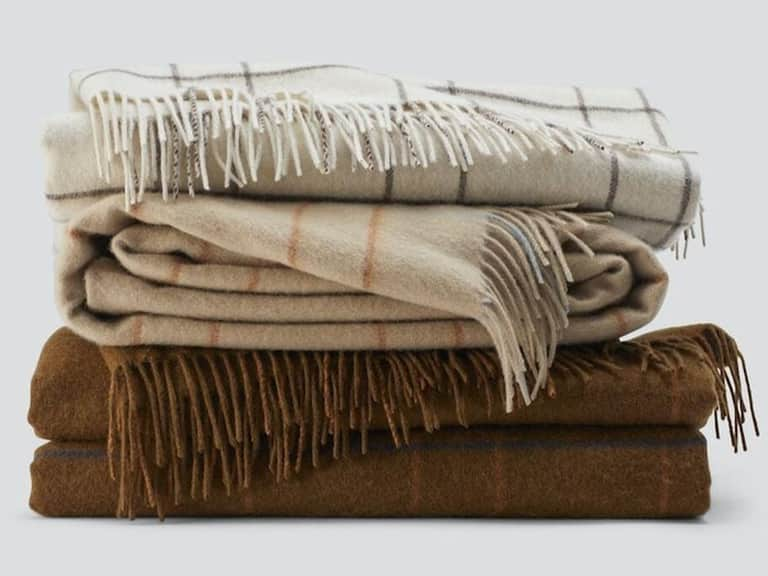
For reference, a few current product examples reflect thoughtful material choices and durable finishes, such as pillow cases that blend cotton with cashmere for warmth and softness, or luxurious wool throws that balance weight and drape. Always verify fiber percentages and care instructions before purchasing.
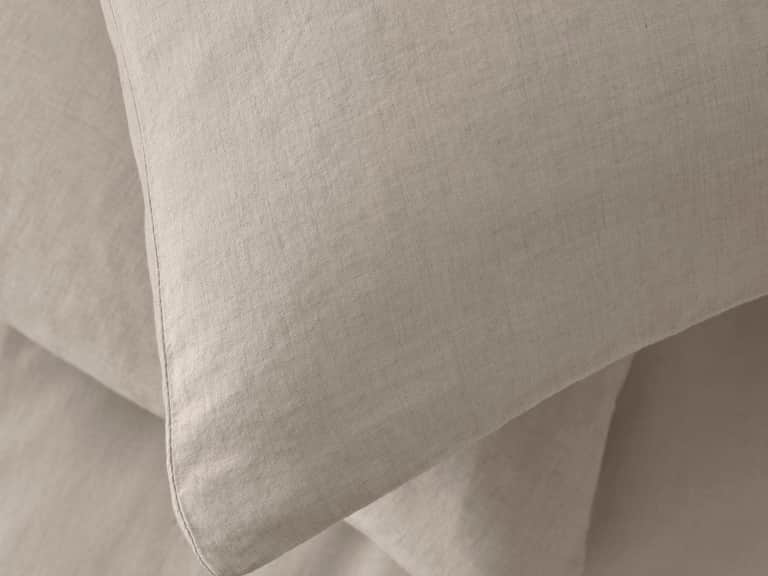
Smir Pillow Cases Set (Society Limonta) is listed here as an example of a premium textile product that combines cotton and cashmere in a diagonal weave for warmth and durability. This set includes two pillow cases and is machine washable, illustrating how fiber blends are presented in consumer-ready formats.
Tiub Throw (Society Limonta) is another example of a lightweight cashmere-silk blend that demonstrates how multi-fiber compositions can produce an ultra-soft, double-faced texture suitable for winter layering. These examples help readers connect the quality indicators discussed above with real-world products.
If you’d like, I can tailor further product-driven content to align with your catalog, ensuring every mention remains relevant to cashmere quality and consumer guidance.